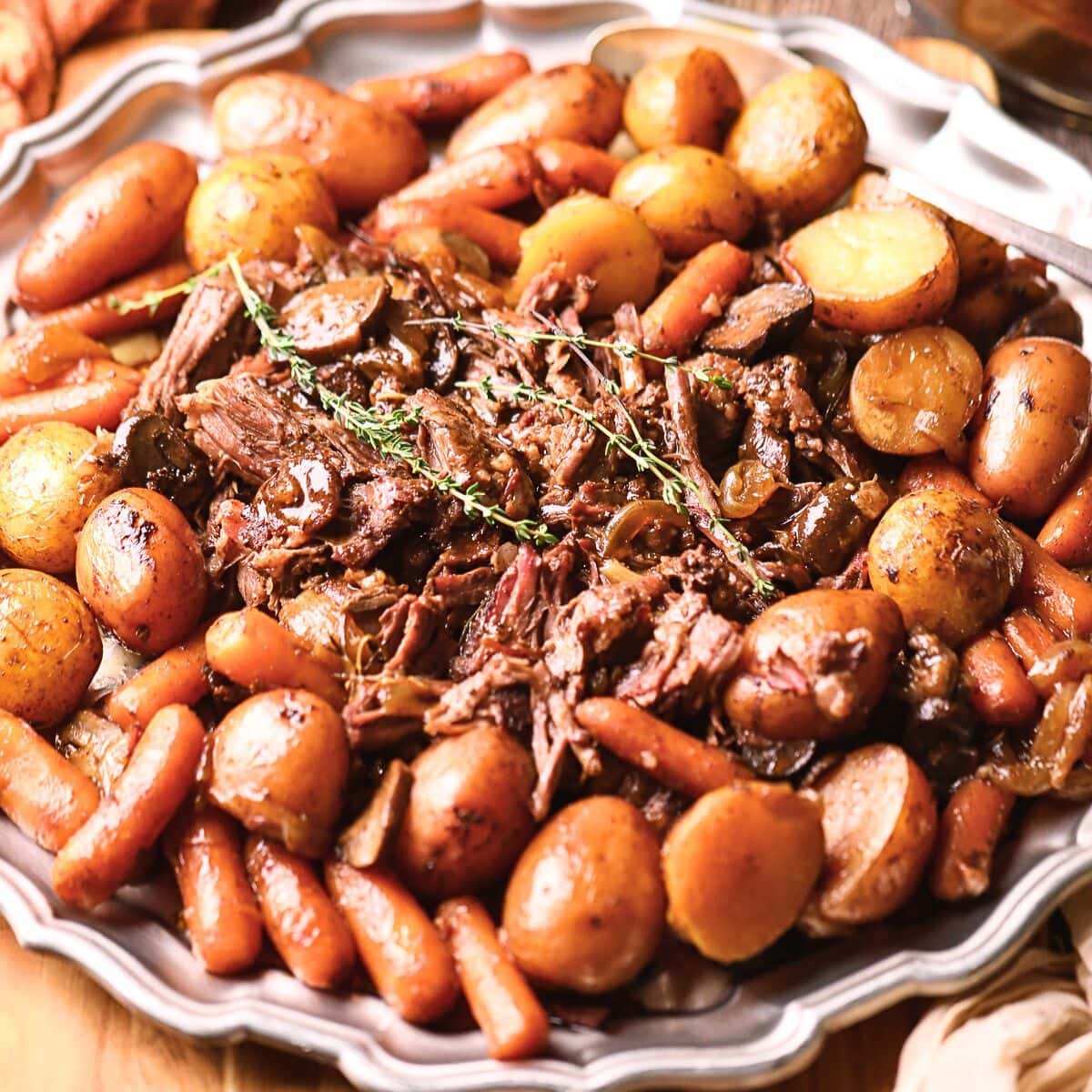
There are few culinary experiences as universally comforting and deeply satisfying as a perfectly cooked pot roast. The mere thought conjures images of cozy evenings, rich aromas wafting through the kitchen, and a hearty meal shared with loved ones. While many methods exist, the Cozy Dutch Oven Pot Roast reigns supreme, delivering an unparalleled depth of flavor and that coveted fall-apart tenderness that defines true culinary bliss. This guide will walk you through crafting the Ultimate Dutch Oven Pot Roast, a one-pot wonder that's incredibly easy to make and even more delightful to eat.
Far beyond a simple weeknight meal, this recipe for dutch oven pot roast transforms humble ingredients into a luxurious, soul-warming dish. Imagine succulent, slow-braised beef, enveloped in a rich, slightly tangy gravy, alongside perfectly cooked root vegetables – all from a single pot. It’s a beloved tradition in many homes, especially as the seasons shift and the desire for hearty, nourishing food grows. Let's unlock the secrets to achieving this culinary masterpiece.
Why the Dutch Oven is Your Pot Roast Champion
When it comes to achieving an extraordinary pot roast, the Dutch oven isn't just a convenient vessel; it's a game-changer. While slow cookers (crock-pots) certainly have their place for hands-off cooking, the unique properties of a heavy-bottomed Dutch oven offer distinct advantages that elevate the classic pot roast to new heights.
The primary advantage lies in its ability to handle high heat on the stovetop before transitioning seamlessly to the oven for low-and-slow braising. This dual capability allows for a crucial step that sets Dutch oven pot roast apart: searing. Searing the chuck roast on all sides before adding liquids and vegetables creates an intensely flavorful crust through the Maillard reaction. This caramelization locks in moisture and develops a complex layer of taste that permeates the entire dish, a feat difficult to replicate in a slow cooker alone. For a deeper dive into this comparison, explore our article on Dutch Oven vs. Slow Cooker: Why Searing Makes The Best Pot Roast.
Furthermore, a Dutch oven’s heavy cast-iron construction ensures even heat distribution, preventing hot spots and allowing the beef and vegetables to cook uniformly. The tight-fitting lid creates a moist, enclosed environment, essential for breaking down tough cuts of meat into incredibly tender, shreddable perfection. This controlled, consistent cooking environment is key to developing those deep, comforting flavors that make this dish a true family favorite.
Essential Ingredients for Your Ultimate Dutch Oven Pot Roast
Crafting the perfect dutch oven pot roast begins with selecting the right ingredients. Each component plays a vital role in building the robust flavor profile and achieving that coveted fall-apart texture. Here’s a detailed look at what you’ll need and why:
The Heart of the Dish: The Beef
- Chuck Roast (2-2 ½ pounds): This is the undisputed king for pot roast. Cut from the shoulder, it's rich in connective tissue and marbling, which, when slow-cooked, breaks down into gelatin, resulting in unbelievably tender, melt-in-your-mouth beef and a rich, luscious sauce.
- Substitutions: Brisket or bottom round can be used, though chuck roast remains the top choice for its consistent tenderness.
Rooting for Flavor: The Vegetables
A medley of fresh vegetables adds sweetness, earthiness, and texture to your pot roast. They also absorb the incredible flavors of the braising liquid.
- Baby Carrots & Baby Potatoes: These are convenient as they don't require much chopping. They maintain their shape well during long cooking times.
- Mushrooms (White or Cremini): Add an umami depth that complements the beef beautifully.
- Onion & Garlic: The aromatic backbone of nearly any savory dish, providing a foundational layer of flavor.
- Substitutions: Regular chopped carrots, Yukon gold or red potatoes (cut into 1-2 inch pieces), shallots for onions.
A Note on Potatoes: Some recipes omit potatoes, adding them later to prevent them from becoming too soft. However, in a Dutch oven, cooking baby potatoes alongside the roast often yields perfectly tender results without overcooking, especially if they are larger pieces. If you prefer firmer potatoes, you can always add them halfway through the cooking time.
The Flavor Powerhouse: Seasonings & Liquid Mixture
This is where the magic happens, transforming simple ingredients into a complex, savory, and slightly tangy sauce.
- Simple Spice Rub: A blend of garlic powder, onion powder, mustard powder, paprika, salt, and black pepper creates a savory crust on the beef during searing. A good quality steak seasoning blend can also work in a pinch.
- Liquid Mixture:
- Beef Broth: The primary braising liquid, infusing beefy goodness.
- Balsamic Vinegar: Adds a crucial tangy acidity that brightens the rich flavors and tenderizes the meat.
- Brown Sugar (or Honey/Maple Syrup): Balances the acidity and adds a touch of sweetness, promoting browning.
- Worcestershire Sauce: Deepens the savory umami notes.
- Dijon Mustard (or Yellow Mustard): Contributes a subtle, savory tang and helps emulsify the sauce.
- Cornstarch (or Arrowroot): Essential for thickening the sauce to a rich, gravy-like consistency at the end.
- Substitutions: Chicken or vegetable broth for beef, apple cider vinegar for balsamic, honey or maple syrup for brown sugar, yellow mustard for Dijon.
Aromatic Enhancements & Extras
- Fresh Rosemary, Thyme, & Bay Leaves: These classic herbs infuse the pot roast with their fragrant, earthy notes. Use whole sprigs for easy removal. Dried herbs can be substituted (1 teaspoon dried per 1 tablespoon fresh).
- Olive Oil: For searing the beef and sautéing aromatics. Any neutral cooking oil works.
Mastering the Method: Step-by-Step for Fall-Apart Tenderness
The beauty of this dutch oven pot roast recipe lies in its simplicity, but a few key steps ensure a truly magnificent result:
- Prepare the Beef: Begin by patting your chuck roast thoroughly dry with paper towels. This is crucial for achieving a good sear. Liberally season the entire roast with your chosen spice blend, pressing it into the meat. Don't be shy with the seasoning!
- The Searing Secret: Heat a tablespoon or two of olive oil in your Dutch oven over medium-high heat until shimmering. Carefully place the seasoned roast into the hot oil and sear on all sides until a deep golden-brown crust forms. This usually takes 3-5 minutes per side. Remove the roast from the pot and set aside.
- Layer the Aromatics & Vegetables: Reduce the heat slightly if needed. Add the onion and garlic to the pot, scraping up any browned bits from the searing process (this is called deglazing and adds immense flavor). Sauté for a few minutes until fragrant. Then, arrange the carrots, potatoes, and mushrooms around the seared beef in the Dutch oven.
- Craft the Braising Liquid: In a separate bowl, whisk together the beef broth, balsamic vinegar, brown sugar, Worcestershire sauce, Dijon mustard, and cornstarch until well combined. The cornstarch helps ensure a perfectly thickened sauce later.
- Combine & Infuse: Pour the liquid mixture over the beef and vegetables in the Dutch oven. Nestle the fresh rosemary sprigs, thyme sprigs, and bay leaves among the ingredients. Ensure the liquid covers at least two-thirds of the beef.
- Low & Slow Braising: Cover the Dutch oven tightly with its lid and transfer it to a preheated oven. Start at 325°F (160°C) for 1 hour, then reduce the temperature to 300°F (150°C) and continue cooking for an additional 1.5 to 2 hours, or until the beef is fork-tender and easily shreds. The exact cooking time will vary depending on the size and thickness of your roast.
- The Crucial Rest: Once cooked, remove the Dutch oven from the oven. Let the pot roast rest, covered, for at least 15 minutes before serving. This allows the juices to redistribute, ensuring maximum tenderness and flavor.
- Serve & Enjoy: Carefully remove and discard the herb stems and bay leaves. The beef should be so tender that it practically shreds itself with a fork. Serve generous portions of the succulent beef, roasted vegetables, and the rich, thickened sauce straight from the Dutch oven.
Tips for the Best Dutch Oven Pot Roast
- Don't Rush the Sear: This is the most crucial step for flavor. Ensure your oil is hot and give the beef enough time to develop a deep, dark crust on all sides.
- Taste and Adjust: Before serving, taste the sauce. If it needs more salt, pepper, or a touch more tang (perhaps a splash of balsamic), adjust to your preference.
- Make-Ahead Magic: Pot roast often tastes even better the next day as the flavors have more time to meld. Cook it a day ahead, refrigerate, then gently reheat on the stovetop or in the oven.
- Serving Suggestions: While the pot roast is a complete meal on its own, it pairs wonderfully with creamy mashed potatoes (if not cooked in the pot), crusty bread for soaking up the sauce, or a simple green salad.
- Dealing with Leftovers: Leftover pot roast can be transformed into delicious sandwiches, tacos, or even a hearty shepherd's pie.
- Choosing Your Chuck Roast: Look for a roast with good marbling (streaks of fat) throughout. This fat will render down during cooking, adding flavor and moisture.
Conclusion
The Ultimate Dutch Oven Pot Roast is more than just a recipe; it's an experience. From the initial sear that locks in profound flavors to the low-and-slow braise that transforms a tough cut of beef into an impossibly tender, melt-in-your-mouth masterpiece, every step contributes to a dish that truly nourishes the body and soul. Its one-pot convenience, make-ahead potential, and incredible depth of flavor make it an indispensable addition to any home cook's repertoire. So, gather your ingredients, fire up your Dutch oven, and prepare to create a fall-apart tender feast that will be remembered long after the last bite.
